AI-driven protein prediction keeps proving it can move real science, not just generate headlines. Better structural prediction means faster paths in drug discovery and biomedical research.
Why This Matters
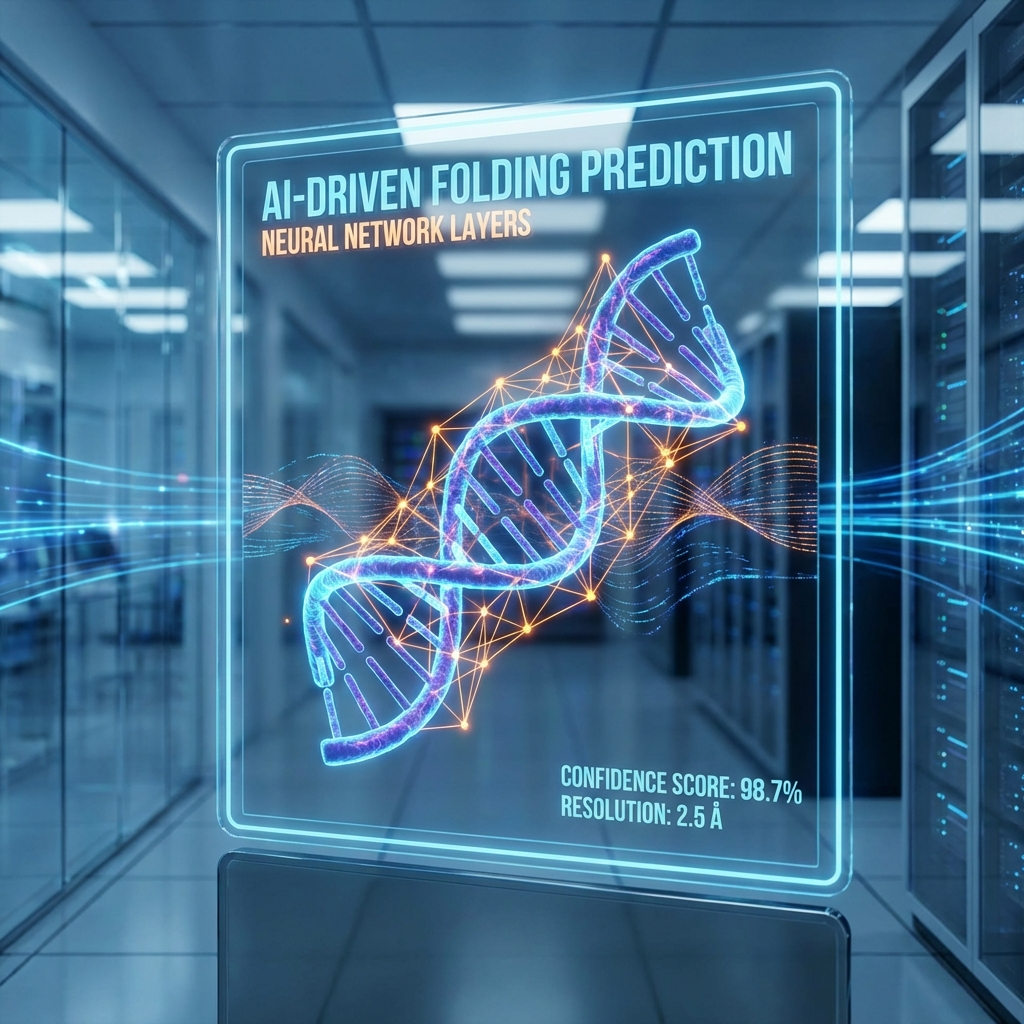
Protein structure determines biological function. Traditional structure analysis can take months. Modern AI models reduce early-stage prediction to hours, accelerating screening and narrowing lab effort to high-probability candidates. This shifts the bottleneck from data collection to experimental design.
Practical Impact
Faster hypothesis loops can shorten drug discovery timelines, improve target selection, and reduce exploratory dead ends. This is one of the clearest areas where AI directly improves scientific throughput — not by replacing scientists, but by compressing the iteration cycle.
Reality Check
Lab validation still matters. AI prediction is a multiplier, not a replacement for experiments. But the trajectory is strong and operationally meaningful. The models are getting better at flagging uncertainty, which is just as important as getting predictions right.
Source: MIT Tech Review
Original report
— Howard